

The short, practical answer is this: a book blurb sells the promise of the reading experience, not the plot, the theme, or the author’s effort. Its job is not to summarize the book or explain its meaning.
Its job is to create controlled curiosity, establish genre expectations, and give the reader a clear emotional and narrative reason to keep reading.
Most blurbs fail because they explain too much, sound like reviews instead of sales copy, or focus on the author rather than the reader.
What a Book Blurb Is Meant to Do
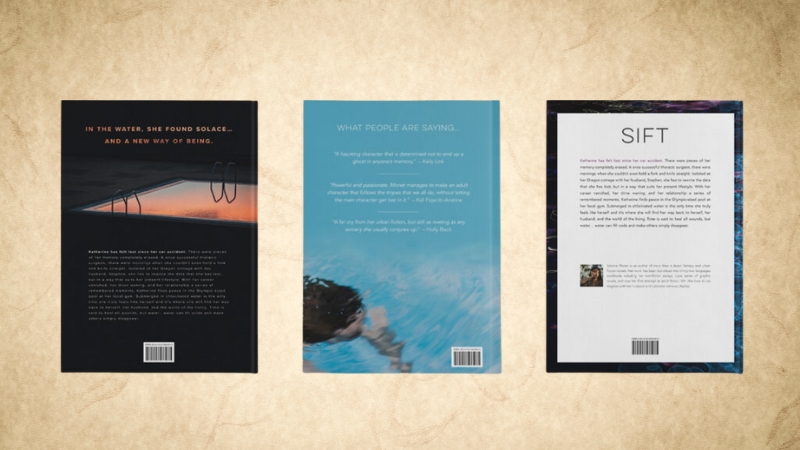
A book blurb sits at the exact moment of decision. The reader is not asking whether the book is well written. They are asking whether this book deserves their next few hours.
The blurb answers that question indirectly by shaping expectation, tone, and tension.
A strong blurb does three things at once. It signals genre so the reader knows what kind of experience to expect.
It introduces a disruption or problem that creates unease. It implies consequences without revealing outcomes.
Where blurbs fail is scope. They try to do too much. They explain themes, character arcs, or backstory that belong inside the book, not on the sales page.
How Readers Actually Read Blurbs
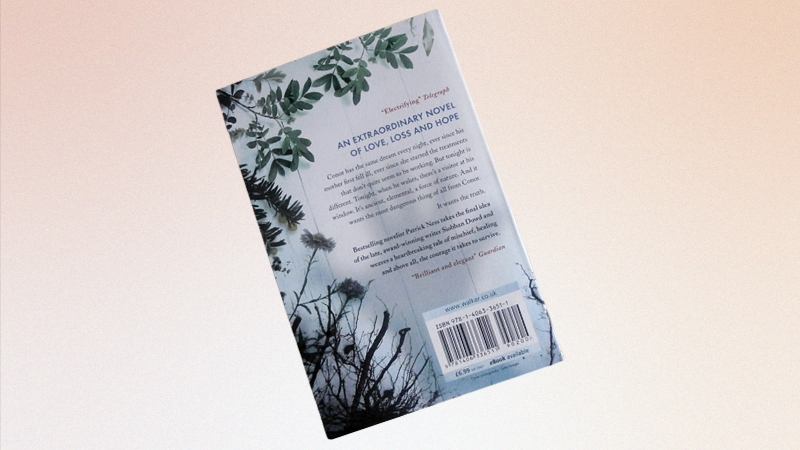
Readers rarely read blurbs from start to finish. On digital storefronts, eye movement data shows a consistent pattern.
Readers skim the opening line, jump to the middle for context, then check the final line to see if tension increases or fades.
This means blurbs must work in fragments. Each paragraph must function independently while still building momentum.
If the opening line does not create friction, the rest of the blurb is invisible. If the final line resolves tension instead of sharpening it, the conversion dies.
The Proven Blurb Structure That Converts
Across fiction and nonfiction genres, high-performing blurbs tend to follow the same underlying structure even when the language varies.
Core Blurb Structure
Section
Purpose
What It Must Do
Hook
Stop scrolling
Introduce disruption
Situation
Orient the reader
Clarify context and genre
Stakes
Create urgency
Present consequences
This structure is not rigid, but removing any of these elements weakens the blurb’s ability to sell.
The Hook: Where Most Blurbs Fail
The hook is not an introduction. It is a disturbance. It should feel like the moment the story breaks, not the moment it begins.
Weak hooks describe ideas or themes. Strong hooks introduce a problem that demands resolution.
A useful test is simple. If the hook could apply to hundreds of books, it is too vague.
Hook Comparison
Weak Hook
Strong Hook
A story about love and betrayal
The day her husband vanished, the police closed the case
An epic fantasy adventure
The kingdom outlawed magic the same year she learned to use it
Strong hooks raise questions without offering answers. They do not explain why something happened. They only establish that it did.
The Situation: Clarifying Without Explaining
The situation paragraph expands the hook just enough to ground the reader. This is where the blurb introduces the protagonist, the immediate conflict, and the setting or constraints shaping the story.
This section often collapses when writers attempt to be thorough. A blurb does not need a character’s history. It needs the problem they are facing right now.
A clean situation paragraph usually answers three questions silently: Who is this about, where are we, and why can this not be ignored?
The Stakes: Turning Interest Into Urgency
View this post on Instagram
The stakes paragraph is where curiosity becomes pressure. Stakes are not about scale alone. They are about loss, consequence, and irreversible choice.
Good stakes force a dilemma. Bad stakes simply promise excitement.
If the stakes paragraph ends with certainty, the reader closes the page. If it ends with a choice or risk, the reader continues.
Effective Stakes Types
Stakes Type
Example
Personal
Loss of identity, safety, or trust
External
Exposure, failure, or destruction
Moral
Truth versus protection
Time-based
Decision before a deadline
The most effective blurbs often combine at least two of these without spelling them out directly.
Fiction Blurb Templates (Adaptable, Not Rigid)
Templates are useful when they guide structure, not when they dictate language. These examples show shape, not wording.
Fiction Blurb Templates
Genre
Structural Focus
Mystery / Thriller
Disappearance, investigation, consequence
Romance
Emotional boundary, disruption, risk
Fantasy / Sci-Fi
World rule, violation, escalation
A mystery blurb emphasizes unanswered questions. A romance blurb emphasizes emotional resistance. A fantasy blurb emphasizes rules and their consequences.
Nonfiction Blurbs Require a Different Promise
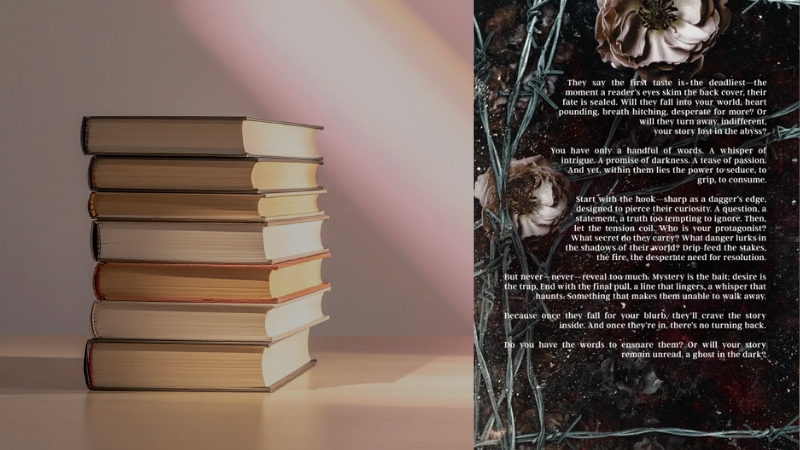
Nonfiction blurbs sell clarity, not suspense. The reader wants to know whether the book will solve a problem, not whether it will surprise them.
A strong nonfiction blurb opens with the problem the reader recognizes, explains why common advice fails, and then positions the book as a practical alternative.
Fiction vs Nonfiction Blurb Priorities
Element
Fiction
Nonfiction
Curiosity
High
Moderate
Outcome clarity
Low
Medium
Emotional pull
Strong
Controlled
Practical promise
Minimal
Central
Nonfiction blurbs should still avoid overexplaining. The promise matters more than the method.
Length: Why Shorter Almost Always Wins
Long blurbs feel safer to writers but riskier to readers. Every additional sentence must earn its place by increasing tension or clarity.
As a general rule, blurbs that exceed 250 words tend to lose effectiveness unless the audience already knows the author.
Recommended Blurb Lengths
Format
Effective Range
Ebook fiction
120–200 words
Print fiction
150–250 words
Nonfiction
150–300 words
Series entry
90–150 words
Cutting a blurb by 20 percent often improves performance.
Editing a Blurb Without Killing Its Energy
@paigelavoieauthor Writing a Book Blurb 101. Follow for more helpful writing advice #bookblurbs #writingtips #writertok #authorsoftiktok ♬ green to blue – 挽wow
When revising, remove content in a specific order. Start with adjectives. Then remove explanations. Then remove character names that do not appear in the hook.
If a sentence does not raise a question or sharpen tension, it does not belong.
A useful final check is this: read only the first line of each paragraph. If interest drops at any point, revise that paragraph entirely.
Final Perspective
A book blurb is not a summary, a review, or a creative exercise. It is functional writing designed to move a reader forward.
Like an effective book cover design, it signals tone and intent without explaining the entire experience.
The best blurbs are restrained, specific, and slightly uncomfortable. They leave space for the story to speak by refusing to speak for it.